


Skip to content
Solar energy 23

Make your energy assets
work with changing conditions


Energy flexibility

Energy markets and grid conditions are becoming more dynamic. Flexible assets give you the ability to respond by changing when electricity is produced, consumed, stored or fed into the grid. The right response can help you manage market exposure, use your assets more effectively and access additional commercial opportunities where eligible.

Strategy

What is flexibility and how does it work?

Energy flexibility is the ability to adjust when and how electricity is produced, consumed, stored or exchanged with the grid.

That adjustment can work in different directions.

A solar park can temporarily reduce production. A battery can charge when electricity is abundant and discharge at another moment. An industrial process may be able to increase, reduce or postpone consumption.

Flexibility therefore does not describe one technology or product. It describes an asset's or operation's ability to change its behaviour in response to energy-market or grid conditions.

The important question is not simply whether an asset uses or produces electricity. It is whether some part of that activity can be controlled in terms of volume and timing. 

Essential

Why flexibility is essential in today’s energy system

Electricity supply and demand have always changed. What is changing is the scale and speed of those fluctuations.

More solar and wind generation means electricity production increasingly depends on weather conditions. At the same time, electrification is changing demand as businesses adopt electric processes, charging infrastructure and other technologies.

This creates periods with abundant electricity and periods when supply is tighter. Prices can fluctuate accordingly and can even become negative. Differences between expected and actual production or consumption can create imbalance, while limited grid capacity can restrict how much electricity can be transported at certain locations.

As these dynamics increase, the ability to respond becomes more valuable.

A controllable asset gives you options. You may be able to adjust production, shift consumption or store electricity for another moment. Whether doing so creates commercial value depends on your asset, market position, technical restrictions and the opportunities available to you. 
high-voltage-tower-against-the-evening-sky-2025-01-28-02-24-12-utc
12.5k+ Joined our sustainability goal
200GWh+ Renewable energy supplied
100k Tonnes Reduced CO2-emissions
Source

Where does energy flexibility come from?

Different assets provide flexibility in different ways. Understanding what can physically change is the first step towards understanding its commercial potential. 
Producers

What does flexibility mean for renewable producers?

For renewable producers, maximising value is increasingly about more than generating as many megawatt-hours as possible.

Solar and wind production can be high at the same time across a market. When electricity supply exceeds demand, prices can fall significantly and may become negative. Differences between forecast and actual production can also affect a producer's market position.

Flexibility provides additional ways to respond.

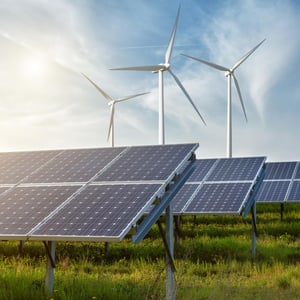
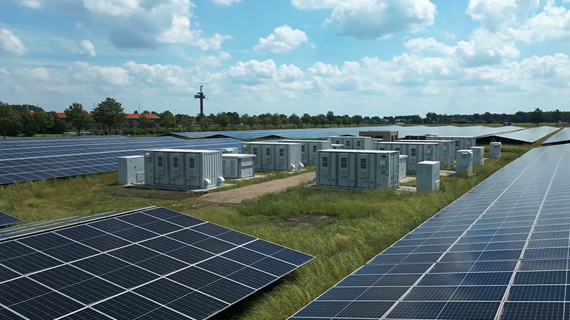
A solar or wind installation may be able to reduce production during unfavourable periods. A battery can store electricity and make capacity available at another moment. Hybrid installations can combine generation and storage, creating additional decisions around when to produce, store or feed electricity into the grid.

Depending on the asset, location and market requirements, eligible flexibility may also participate in balancing or congestion-related mechanisms.

Not every asset can access every opportunity. The relevant strategy depends on its technical capabilities, grid connection, commercial agreements and market position. 
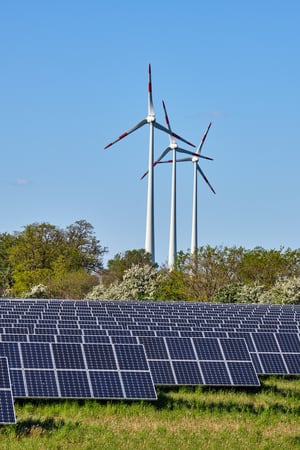
Solar and wind power 6
Prosumers

What if you both produce and consume electricity?

Flexibility is not limited to dedicated energy producers.

Businesses that combine electricity consumption with on-site generation, batteries, charging infrastructure or flexible processes can have several sources of flexibility at the same site.

For example, locally generated solar electricity could interact with battery charging and operational consumption. Flexible processes may be shifted to another moment, while charging can potentially be coordinated with available generation and grid capacity.

The objective is not necessarily to change every asset independently. Greater value may come from understanding how production, consumption and storage interact as one energy system.

Turn flex into revenue

How can energy flexibility create commercial value?

Flexibility does not have one universal revenue model. Its value depends on what can be changed, when it can be changed and which commercial opportunities are available. It can create value in several different ways. 

Additional market revenue

Eligible flexible assets may be able to participate in relevant balancing or flexibility mechanisms.

Here, value comes from making controllable capacity available or responding when the market or electricity system requires flexibility. 

 
Avoided energy costs

Flexible consumption or storage can sometimes be moved away from more expensive periods.

Instead of generating additional revenue, the commercial benefit comes from avoiding or reducing a cost. 

 
Reduced exposure to unfavourable market conditions

For renewable producers, flexibility can provide options during periods of low or negative electricity prices.

Temporarily adjusting production or using storage may reduce exposure to circumstances where continuing with the original position is commercially unattractive. 

 
Better use of your assets

A flexible asset can have several possible uses.

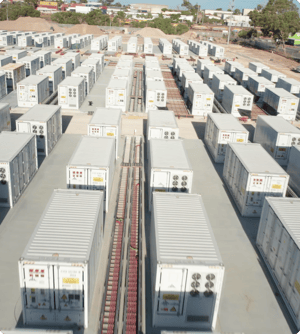
A battery, for example, can charge, discharge or remain available. The commercial objective is to determine which use best fits the asset and market conditions at a particular moment. 

 
Better interaction with grid capacity

Where applicable, flexibility can also help an organisation work within physical grid or connection constraints by changing when electricity is produced, consumed or stored.

The value of flexibility can therefore be a combination of additional revenue, avoided cost, risk management and better asset utilisation. 

 
Our VPP

Virtual Power Plant

Scholt Energy connects these assets to the relevant energy markets through its Virtual Power Plant (VPP). This allows producers to:

  • Monetise flexibility instead of losing revenue
  • Access markets that are otherwise unavailable to individual assets
  • Reduce exposure to congestion-related restrictions

The result is a new layer of revenue on top of existing production income.
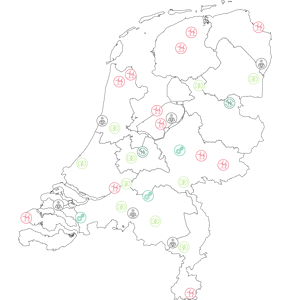
Flexibiliteit op het Nederlandse stroomnet
"Flexibility is not a technical feature.
It is a strategic capability that allows companies to participate actively in the future energy system."
Rick Cuijpers
Sales Manager Renewables & Flexibility
Turn flex into revenue

Why does flexibility require continuous optimisation?

There is rarely one operating rule that remains optimal under every condition.

Electricity prices change. Renewable production forecasts change. Consumption can deviate from expectations. Grid conditions evolve. A battery's State of Charge changes throughout the day, while technical restrictions and contractual commitments determine which actions remain possible.

The value of flexibility therefore changes over time.

An opportunity that is attractive at one moment may no longer be the best option later. Flexible capacity committed to one purpose may also be unavailable for another.

This makes optimisation an ongoing decision process: combining current market conditions with forecasts, asset availability, existing positions and technical restrictions to determine whether an asset should respond and how.

Our solutions
Battery Storage
Read More
Flex Solutions

A structured approach to spreading volumes over time and markets to reduce risk and increase predictability. 

Read More
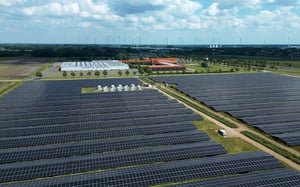
Zuidbroek 08
Read More
Earn with flex

Continuous market monitoring, price modelling and proactive buying signals to support decision-making.

Read More
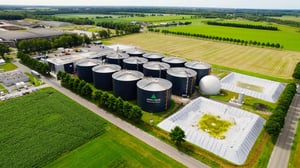
Green create wijster
Is it for you?

Monitoring consumption, identifying peak loads and aligning procurement with real usage patterns.
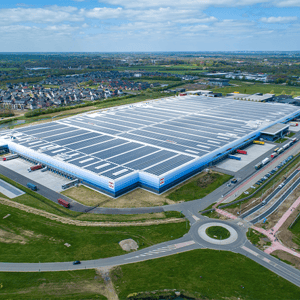
GLP - Vierkant
Our VPP

Where possible, we unlock value from flexible assets and help manage congestion risks — now and in the future.

In practice

How does Scholt Energy help turn flexibility into action?

1. Identify

We assess which assets or processes are controllable and determine the relevant technical and operational restrictions. 

2. Connect

Where applicable, controllable assets are connected to Scholt's technology and market infrastructure so that availability and asset information can be used in optimisation. 

3. Access

We connect eligible flexibility with relevant commercial opportunities and energy markets supported by Scholt. 

4. Optimise

Market information, forecasts, asset availability and operating restrictions are combined to determine when available flexibility can be deployed. 

5. Settle & report

Where applicable to the service, activations and commercial outcomes are measured, settled and made transparent.

The objective is not to activate an asset as often as possible. It is to use available flexibility when responding makes commercial and operational sense. 

VPP

Where does the Virtual Power Plant fit in?

A flexible asset provides the physical capability to respond. Technology is needed to turn that capability into coordinated action.

Scholt Energy's Virtual Power Plant provides an enabling layer between flexible assets and relevant market opportunities.

Flexible asset → connectivity and data → Virtual Power Plant → market access and optimisation → activation

The VPP can connect renewable generation, battery storage and flexible consumption and support their coordinated use. It is therefore not the flexibility itself, nor is it the same as Flex Services. It is technology that enables relevant flexibility to be managed and optimised. 

beautiful-nature-aerial-view (1)
Relevance

Could flexibility be relevant for your asset?

You may have commercially relevant flexibility if you:

  • own or operate solar or wind generation;
  • operate battery storage;
  • combine renewable generation and storage;
  • have industrial processes whose electricity demand can be shifted;
  • operate substantial controllable charging infrastructure;
  • experience limitations in available grid capacity;
  • are exposed to periods of low or negative electricity prices;
  • combine electricity production, consumption and storage at one site. 

Having one of these characteristics does not automatically mean an asset can participate in a particular flexibility market.

Its potential depends on factors such as controllability, available capacity, operating restrictions, grid connection, location, existing contracts and applicable market requirements.

The first step is therefore to establish where your flexibility is and what you can realistically do with it. 
renewable_energy
FAQ

What others ask


What is energy flexibility?

Energy flexibility is the ability to change when and how electricity is produced, consumed, stored or exchanged with the grid. This can include increasing, reducing or postponing an energy activity in response to market or grid conditions. 

What is the difference between technical and commercial flexibility?

Technical flexibility means an asset can physically change its behaviour. Commercial flexibility means that capability can also be measured, controlled and used for a relevant commercial opportunity. This additionally requires elements such as data, forecasting, market access and optimisation. 

Which assets can provide energy flexibility?

Examples include solar and wind generation, battery storage, flexible industrial demand and controllable charging infrastructure. Actual flexibility depends on the asset's technical capabilities and operational restrictions. 

How can renewable producers use flexibility?

Renewable producers may be able to reduce generation during unfavourable periods, combine production with battery storage or make eligible flexibility available to relevant markets. The opportunities differ by asset and commercial arrangement. 

How does energy flexibility generate revenue?

Eligible flexibility can create additional revenue through participation in supported energy, balancing or flexibility markets. However, revenue is only one source of value. Flexibility can also help avoid costs, manage market exposure and improve asset utilisation. 

Does flexibility always mean changing my operations? No. Flexibility is the ability to respond. Whether an asset should actually change its behaviour depends on the commercial opportunity, operating requirements and technical restrictions at that moment. 
What is the difference between flexibility and energy storage? Energy flexibility is the broader capability to adjust energy behaviour. A battery is one type of flexible asset because it can charge, discharge or keep capacity available. Flexibility can also come from generation and electricity demand. 
What does a Virtual Power Plant have to do with flexibility? A VPP is a technology platform that connects and coordinates flexible assets. It can use asset information and market signals to support optimisation and relevant market participation. The flexible asset provides the capability; the VPP helps coordinate how it is used. 
How do I know whether my asset can participate in flexibility markets? Eligibility depends on factors including asset type, controllable capacity, response capability, availability, location, grid connection and applicable market requirements. A technical and commercial assessment is needed to identify the relevant opportunities. 
Take action

Find out where your flexibility can create value

Your asset or operation may already contain flexibility. The next step is understanding how much is genuinely controllable, which restrictions apply and where that flexibility could be commercially relevant.

Scholt Energy can assess your assets, production or consumption profile, existing contracts and operating requirements to identify the opportunities that fit your situation.

Rick Cuijpers (web)