

Skip to content
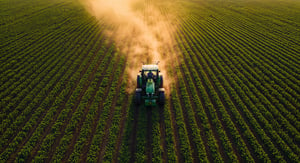
Farmers in field

More resilience through smarter energy
purchasing for agriculture, food & feed

H1 Scholt label title

Bij Scholt staan diversiteit, gelijkheid en inclusie centraal. Verschillende perspectieven versterken onze cultuur en stimuleren innovatie. Zo creëren we een omgeving waarin iedereen zich welkom voelt en samen kan groeien.

Powering agriculture, food & feed

Energy has become a strategic importance for agricultural, food & feed businesses. From volatile market prices and electrification to sustainability targets and grid congestion, you need an energy partner who understands your operational reality and helps you make informed decisions. Discover how purchasing your energy years in advance actually pays off.

Preferred energy partner of

Energy is becoming a strategic business decision across agriculture, food & feed

Businesses across agriculture, food processing and feed production depend on reliable and affordable energy, often for 24 hours a day, 7 days a week. Whether you operate a greenhouse, dairy farm, poultry business or arable operation, energy directly influences production costs, operational continuity and long-term competitiveness.

The entire agricultural, food & feed chain is at the beginning of a far-reaching energy transition. Electrification, renewable generation, stricter sustainability requirements and increasing pressure on the electricity grid require a different approach to energy management.

Rather than reacting to market developments, you benefit more from looking at long-term strategies that balance cost control, operational reliability and future growth.
agriculture-time-harvest-view-work-combine-harvesting-wheat
Challenges

The energy challenges facing agricultural, food & feed sector

Agricultural, food & feed businesses operate in an environment where energy has become a critical business factor. Every decision affects operational continuity, production costs and long-term profitability.

Managing volatile energy costs

Electricity and gas prices can change rapidly, decreasing the predictability of costs and maintain stable operating margins. Many businesses are looking for greater control without losing flexibility.

Expanding despite limited grid capacity

Whether you want to electrify equipment, install additional cooling capacity or connect renewable assets, grid congestion can delay investment plans and limit future growth.

Seasonal and production-driven demand

Energy demand fluctuates throughout the year due to harvesting seasons, processing schedules, refrigeration and storage requirements. This makes forecasting consumption and choosing the right procurement strategy more complex. 

Balancing sustainability with business performance

Reducing emissions has become increasingly important, but every investment must also make economic sense. Finding the right balance between sustainability and profitability is challenging.

Making the most of energy assets

Many businesses across agriculture, food & feed already generate renewable electricity or have opportunities to use energy more flexibly. Unlocking the full value of these assets requires market knowledge and access, technology and continuous optimisation.

Trends

Developments shaping the future of agriculture, food & feed

The energy landscape is changing rapidly

The challenges are being shaped by wider developments across the European energy system. Understanding these changes helps businesses make better long-term decisions. 

 
Electrification is accelerating

Electrification is playing an increasingly important role in the sector. While this creates opportunities to reduce emissions, it also increases demand for reliable and affordable electricity supply.

 
Grid congestion is becoming more widespread

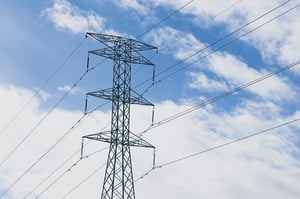
Across many regions, limited grid capacity is slowing down expansion projects and the connection of new renewable installations. Businesses increasingly need to optimise existing connections rather than simply expanding them. 

 
Flexibility is creating new business opportunities

Electricity markets increasingly reward organisations that can adjust consumption, store energy or make renewable generation available when the grid needs it most. Energy flexibility is becoming a valuable business asset. 

 
Sustainability expectations continue to grow

Customers, supply chains and regulators increasingly expect businesses to demonstrate measurable progress on carbon reduction and renewable energy use. Sustainability has become an integral part of long-term competitiveness rather than a standalone objective. 

 
Agriculture_greenhouse

Our take

We believe business across agriculture, food & feed should not have to become energy market specialists. Your focus should remain on the continuity of your business while we help you navigate increasingly complex energy markets with clarity, transparency and practical guidance.
FAQ

What others ask


Why is a strategic procurement approach important for agricultural, food & feed businesses?

Energy costs have become a significant factor in the profitability of businesses across agriculture, food & feed. Purchasing all your energy at a single moment or relying solely on fixed-price contracts can expose you to unnecessary market risk. A strategic procurement approach spreads purchasing decisions over time and aligns them with your energy consumption, business objectives and risk profile. This helps improve budget predictability while maintaining the flexibility to respond to changing market conditions. Rather than monitoring the energy markets yourself, you benefit from continuous market analysis and structured purchasing guidance.

Can renewable energy be integrated into our existing procurement strategy?

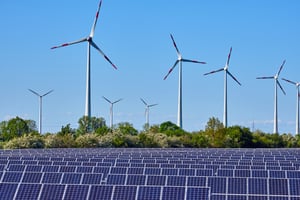
Yes. Renewable energy does not have to replace your existing procurement strategy, it can strengthen it. Depending on your objectives, renewable electricity can be sourced through Green Energy, Guarantees of Origin or Corporate Power Purchase Agreements (CPPAs). These solutions can be integrated into your overall energy strategy, helping you reduce carbon emissions, support ESG reporting and increase long-term resilience while maintaining a reliable energy supply.

We already generate renewable electricity. Can Scholt Energy help us create more value from it?

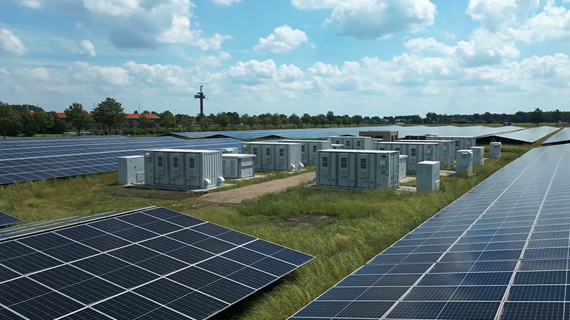
Absolutely. Many agricultural, food & feed businesses already operate solar panels or other renewable energy assets but are not yet capturing their full commercial potential. By combining market expertise with intelligent optimisation, renewable generation can often be complemented with flexibility services or battery storage participation in additional electricity markets. This can help improve the financial performance of your assets while contributing to a more flexible and resilient energy system.

How does Scholt Energy support agriculture, food & feed businesses?

We help businesses across agriculture, food & feed make informed energy decisions by combining strategic procurement, renewable energy solutions and energy optimisation with continuous market insights and personal guidance. Every strategy is tailored to your operational requirements, sustainability ambitions and long-term business objectives, ensuring that your energy strategy supports the way your organisation operates.

Which agriculture, food & feed businesses do you support?

We work with medium and large businesses across the agriculture, food & feed value chain, including horticulture, dairy farming, livestock, food production  cold storage facilities and other energy-intensive production businesses. Although every business has its own operational challenges, they often face similar questions around energy costs, sustainability, electrification and grid capacity. Our role is to translate these complex energy challenges into practical strategies that fit your specific situation and future ambitions.

Take action

Take control of energy in your agriculture, food & feed business

Every organisation operates differently. Together, we can develop an energy strategy that supports your operational goals, sustainability ambitions and long-term competitiveness. 

Agriculture-tractor-working-green-field