



Your asset may be able to change production, consumption or storage. Flex Services connects that controllability with relevant market opportunities and active optimisation.
You have flexibility. Now what?
Being able to control an asset is not the same as being able to create commercial value from it.
A solar park may be able to reduce output. An industrial process may be able to shift demand. A battery can charge or discharge. But each action has technical limits, operational consequences and different commercial opportunities.
The first question is therefore not simply whether your asset is flexible. It is how much flexibility is genuinely available, when it can respond and where that response can create value.
What are Flex Services?
Flex Services is Scholt Energy's commercial proposition for activating and managing relevant forms of flexibility.
Depending on your asset and eligibility, this can involve adjusting renewable generation, flexible electricity demand or storage in response to applicable market and grid conditions.
Scholt combines asset information, agreed operating limits, market access and optimisation to determine when flexibility should be available or activated.
Different assets require different forms of flexibility
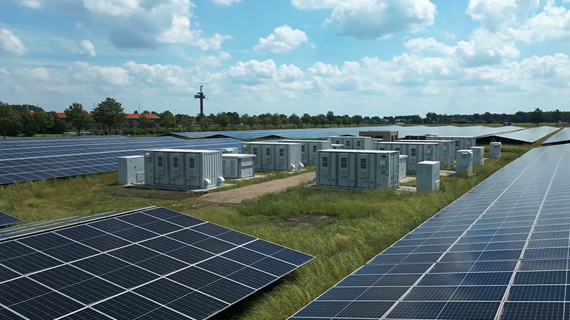
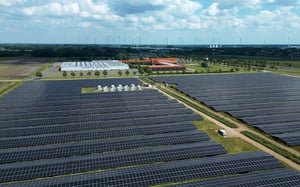
Solar and wind installations can temporarily reduce production when continued feed-in is commercially unfavourable or when applicable grid conditions require flexibility.
You define the operating boundaries of the installation. Scholt manages the relevant activation, market interaction and settlement within the agreed setup.
Curtailment can be relevant during negative price periods and in applicable congestion situations.
Explore Solar & Wind
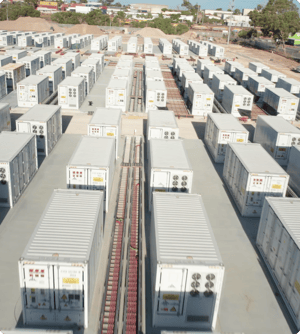
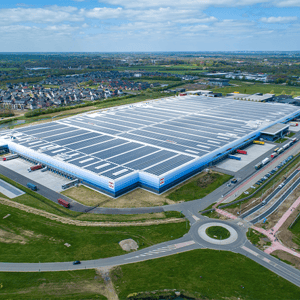
A battery can respond in both directions by charging, discharging or keeping capacity available.
Its commercial value depends on deciding which action best fits current market conditions while respecting State of Charge and agreed technical parameters.
Explore Energy Storage

Industrial processes with controllable electricity demand or operational buffers may be able to temporarily reduce or shift consumption.
Together, we identify where flexibility is available without compromising agreed operational requirements. When a relevant market activation occurs, consumption can be adjusted within predefined boundaries.
Examples include cooling installations, compressors, pumps and other supported controllable processes.
Explore Demand ResponseFrom available flexibility to active optimisation
1. Identify
Determine which assets or processes can respond and how much controllable capacity is genuinely available.
2. Define
Establish technical restrictions, availability and operational limits before any flexibility is activated.
3. Connect
Assess which supported markets and flexibility mechanisms match the asset, location and commercial arrangement.
4. Optimise
Combine asset information, forecasts and market conditions to determine when available flexibility should be used.
5. Measure
Provide transparency around relevant activation and commercial settlement.
How can Flex Services create value?
The mechanism depends on the asset and the market. Flexibility should therefore not be treated as one generic revenue stream.
Changing an asset's behaviour can reduce exposure to commercially unfavourable periods, such as certain negative-price situations.
More controllability can help manage exposure to changing market or grid conditions where the applicable arrangement supports this.
Eligible assets may receive commercial value for participation in supported balancing or flexibility markets.
For batteries, optimisation can allocate available capacity according to relevant market opportunities and asset constraints.
"Flexibility is no longer optional in the energy system. The organisations that understand and
utilise their flexible capacity today will be the ones best positioned for tomorrow’s energy market."
The VPP enables Flex Services
Flex Services describes what Scholt Energy commercially manages for you. The Virtual Power Plant provides an important part of the technology that enables that management.
Our VPP connects flexible assets and combines asset information with market conditions. Scholt uses this infrastructure to coordinate relevant renewable generation, storage and flexible consumption.
This makes the VPP an enabling layer behind applicable Flex Services rather than a separate name for the services themselves.
Why work with Scholt Energy?
Scholt works with renewable generation, battery storage and flexible industrial consumption, allowing flexibility to be assessed in its wider energy context.
Market monitoring and trading expertise help connect technical asset capability with commercial market conditions.
Scholt combines its VPP and in-house optimisation capabilities with specialists who understand the asset and commercial context.
Flexibility is configured around agreed technical and operational limits rather than treated as unrestricted control.
Virtual Power Plant
Scholt Energy connects these assets to the relevant energy markets through its Virtual Power Plant (VPP). This allows producers to:
- Monetise flexibility instead of losing revenue
- Access markets that are otherwise unavailable to individual assets
- Reduce exposure to congestion-related restrictions
The result is a new layer of revenue on top of existing production income.
What is included within Flexibility?
A structured approach to spreading volumes over time and markets to reduce risk and increase predictability.
Read More
Continuous market monitoring, price modelling and proactive buying signals to support decision-making.
Read More
Monitoring consumption, identifying peak loads and aligning procurement with real usage patterns.
Where possible, we unlock value from flexible assets and help manage congestion risks — now and in the future.

What others ask
Potential assets include solar and wind generation, battery storage and controllable industrial demand. Actual eligibility depends on technical capability, location, market requirements and the commercial setup.
No. Flexibility is established within agreed technical and operational boundaries. The applicable control setup depends on the asset and service.
There is no single financial model for all flexibility. Depending on the asset and applicable market, value can come from market remuneration, avoiding unfavourable exposure or optimising how flexible capacity is used.
For controllable renewable generation, temporarily reducing output can in some circumstances be more favourable than continuing to feed electricity into the market. The effect depends on your contract, subsidy position and market conditions.
Yes, batteries are a core source of controllable flexibility. The relevant opportunities depend on their technical configuration, availability and market eligibility.
Flexibility and energy offtake can interact because both affect how a producing asset participates in the market. The appropriate combination depends on the PPA or other commercial arrangement and should be assessed for the individual asset.
Find out what your flexibility can do
We assess your asset, operating boundaries and relevant market opportunities to determine where your flexibility can be used commercially.