



Skip to content
plastic_manufacturing

Make every unit of energy count in the
plastics, packaging & paper industry

H1 Scholt label title

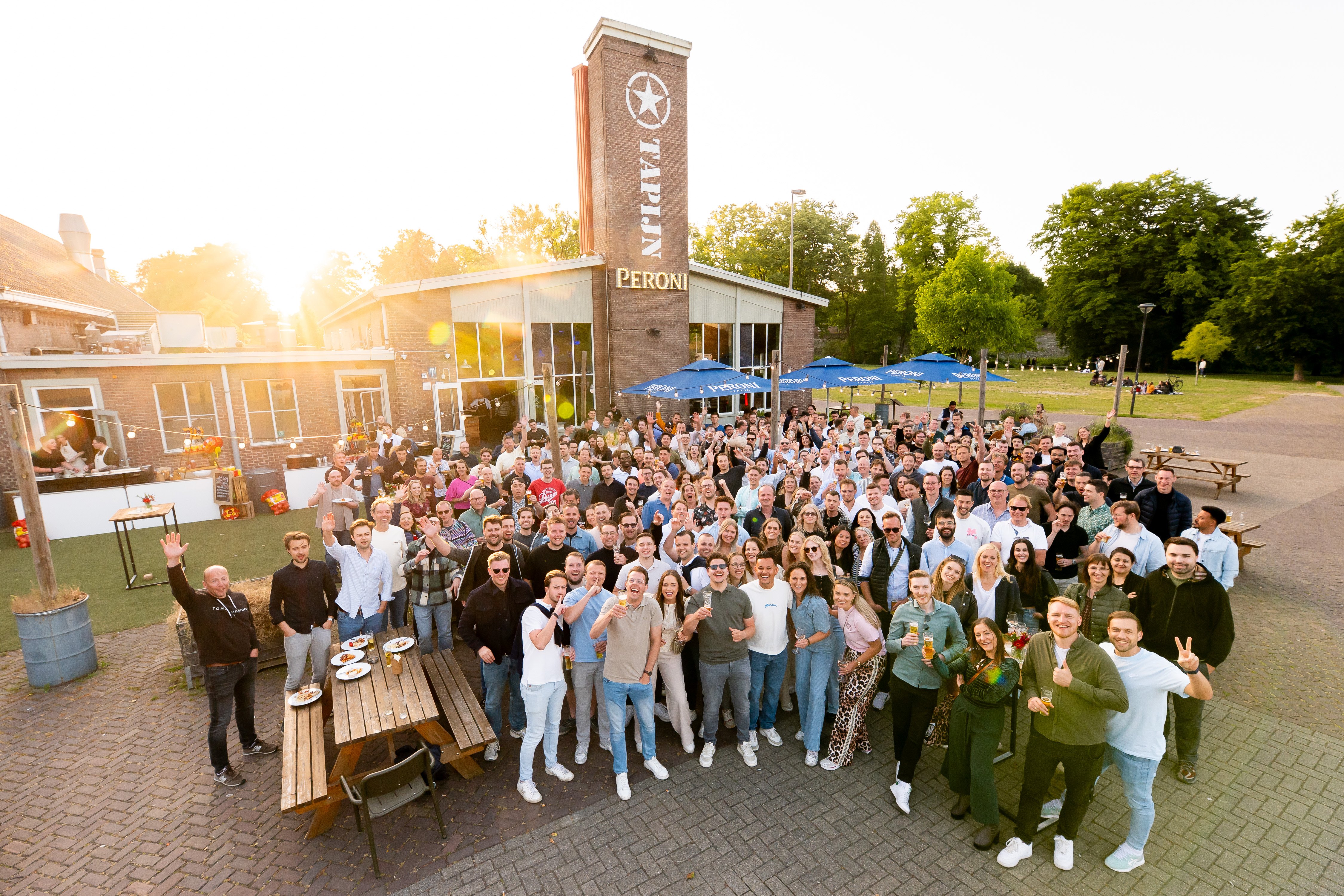
Bij Scholt staan diversiteit, gelijkheid en inclusie centraal. Verschillende perspectieven versterken onze cultuur en stimuleren innovatie. Zo creëren we een omgeving waarin iedereen zich welkom voelt en samen kan groeien.

Powering Plastics, Packaging & Paper

Energy runs through almost every stage of plastics, packaging and paper production. And when volumes are high and margins are under pressure, changes in energy costs can quickly affect your bottom line. A well-planned energy strategy helps you gain more control over costs and risk, while supporting reliable production and your transition towards a more sustainable operation.

Preferred energy partner of

Continuous production calls for a different approach to energy

Extrusion, moulding, drying, heating, cooling, compressed air and other production processes can make energy a significant operational factor across plastics, packaging and paper businesses. When production runs for long periods or around the clock, reliable energy and control over costs become particularly important.

At the same time, the sector is changing. Customers increasingly expect more sustainable products and packaging, while electrification, renewable generation and more efficient equipment are changing how businesses use energy. These developments can increase electricity demand and reshape consumption profiles, while limited grid capacity can restrict investments in new machinery, additional production lines or further electrification.

This creates a more complex energy puzzle. Procurement decisions need to reflect how and when your production uses energy, while sustainability and flexibility increasingly become part of the equation. Bringing these elements together helps you look beyond today's energy bill and build an approach that supports the future of your production. 
paper_manufacturing
Challenges

The energy challenges plastics, packaging and paper industries face

High-volume and continuous production leaves little room for energy decisions that do not fit operational reality. The challenge is balancing cost, continuity and sustainability without compromising output. 

Protecting margins from volatile energy costs

Energy can represent a substantial production input in processes such as extrusion, heating, drying and converting. Price volatility can therefore quickly affect product margins and cost forecasts.

Keeping continuous processes running reliably

Stopping and restarting production is not always simple or desirable. Energy decisions need to account for production schedules, process requirements and the importance of maintaining reliable operations.

Decarbonising energy-intensive processes

Reducing dependence on fossil energy can require changes to heat, machinery and other production processes. The transition must support sustainability ambitions without undermining output or reliability. 

Growing within limited grid capacity

New production lines, electrical equipment or expanded facilities can increase peak electricity demand. Where grid capacity is constrained, this can complicate expansion and electrification plans. 

Meeting sustainability demands across the value chain

Packaging, plastics and paper businesses increasingly operate within supply chains focused on environmental impact. Energy use and renewable sourcing form part of the wider challenge of demonstrating progress towards lower-carbon production.

Trends

Developments reshaping plastics, packaging and paper production

Energy management is becoming more data-driven

Detailed consumption profiles make it increasingly possible to understand when energy is used and where flexibility may exist. That insight can support better procurement and operational decisions.

 
Production is becoming more electrified

Businesses are increasingly exploring electrical alternatives for processes traditionally powered by fossil fuels. This changes both electricity demand and the importance of long-term energy planning. 

 
Grid capacity is influencing investment decisions

Increasing electricity demand can make the available grid connection a constraint on expansion. Future production plans therefore increasingly need to consider energy infrastructure from the start.

 
Energy flexibility is gaining value

Continuous production does not mean every process must consume the same amount of energy at every moment. Flexible loads and energy assets can create opportunities to respond more intelligently to market conditions.

 
Renewable energy is becoming part of the supply chain

Businesses are looking beyond efficiency alone and considering how the electricity they purchase is generated. Credible renewable sourcing can support wider decarbonisation and reporting ambitions. 

 
plastic-recycling-plant

Our take

“Your production process should shape your energy strategy. Energy-intensive businesses should not have to choose between production continuity, cost control and sustainability. Your energy strategy should reflect how your operation actually runs and give you the flexibility to respond as markets and production needs change.”
FAQ

What others ask


Why is energy procurement important for plastics, packaging and paper businesses?

Many production processes in this sector require substantial and sustained energy consumption. A strategic procurement approach spreads purchasing decisions over time and balances price certainty with market flexibility, helping businesses manage exposure to volatile electricity and gas markets. 

How can our production profile influence our energy strategy?

When and how you consume energy matters. Continuous production, predictable loads and periods of higher or lower demand all influence which procurement approach is appropriate and where operational flexibility may exist. Your energy strategy should therefore start with your actual consumption profile. 

Can we combine renewable energy with our existing energy procurement?

Yes. Renewable electricity can form part of a wider procurement strategy through options including Green Energy, Guarantees of Origin and Corporate Power Purchase Agreements. The appropriate approach depends on your consumption profile, sustainability ambitions and procurement objectives. 

Can flexible production processes create additional energy value?

Potentially. If certain processes or assets can adjust their electricity consumption without affecting production requirements, that flexibility may have value in energy markets. The opportunity depends on the technical and operational characteristics of your site. 

How does Scholt Energy support plastics, packaging and paper businesses?

Scholt Energy combines strategic procurement, renewable sourcing, market expertise and flexibility solutions. We start with your consumption profile, operational requirements, risk appetite and sustainability ambitions, then determine which energy approach best supports your business. 

Take action

Take control of energy in your agriculture, food & feed business

Every production site has its own processes, consumption profile and ambitions. Together, we can determine how procurement, renewable energy and flexibility can support your costs, continuity and long-term plans. 

Production hall 5