
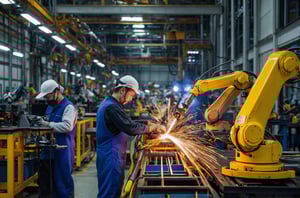
Take control of energy across your
manufacturing and engineering operations
Bij Scholt staan diversiteit, gelijkheid en inclusie centraal. Verschillende perspectieven versterken onze cultuur en stimuleren innovatie. Zo creëren we een omgeving waarin iedereen zich welkom voelt en samen kan groeien.
Energy is no longer simply a production cost. For manufacturing and engineering businesses, it has become a strategic factor that influences production efficiency, investment decisions and long-term competitiveness. From volatile electricity prices and industrial electrification to sustainability requirements and grid congestion, your business needs an energy partner who understands how manufacturing operates. Discover how a long-term energy strategy helps you stay productive, resilient and ready for tomorrow.
Preferred energy partner of



Energy is becoming part of your industrial operations
Manufacturing and engineering businesses rely on energy to keep production lines moving, machines operating and customer commitments on schedule. Whether you specialise in metalworking, mechanical engineering, industrial manufacturing or precision engineering, reliable energy has become fundamental to operational performance.
At the same time, the industrial landscape is changing rapidly. Automation increases electricity demand, production processes are becoming increasingly electrified and sustainability requirements continue to grow. Combined with volatile energy markets and limited grid capacity, this requires a different approach to energy management.
Rather than treating energy as a purchasing activity, leading industrial businesses increasingly view it as part of their production strategy. A structured approach to procurement, renewable energy and flexibility helps improve cost control while supporting future growth.

The energy challenges manufacturing and engineering businesses face
Industrial businesses operate in an environment where every decision affects productivity, operational continuity and competitiveness. Energy has become one of the key variables influencing long-term success.
Electricity and gas prices fluctuate continuously, making production costs more difficult to predict. Strategic procurement helps reduce unnecessary market exposure while providing greater budget certainty.
Whether you're installing new machinery, electrifying industrial processes or expanding production capacity, grid congestion can delay investment plans and restrict future growth.
Replacing fossil fuel-based equipment with electric alternatives supports sustainability goals, but also increases electricity demand and requires careful planning around infrastructure and procurement.
Industrial customers increasingly ask suppliers to demonstrate measurable progress on carbon reduction and renewable energy. Sustainability has become an important competitive differentiator rather than simply a compliance exercise.
Many manufacturing businesses already operate solar installations, battery systems or flexible production processes. Unlocking their full commercial value requires continuous optimisation, market access and specialist expertise.
Developments shaping the future of manufacturing and engineering
Automation, robotics and digital manufacturing improve productivity while increasing dependence on reliable and intelligently managed electricity supplies.
Production equipment, heating systems and vehicle fleets are increasingly switching from fossil fuels to electricity. This creates new opportunities but also changes how businesses procure and manage energy.
Across many industrial regions, limited grid capacity is delaying factory expansion and electrification projects. Businesses increasingly need to optimise existing connections instead of simply requesting larger ones.
Manufacturing businesses that can shift production, control energy consumption or utilise battery storage can increasingly benefit from energy markets while supporting a more resilient electricity system.
Customers, investors and regulators increasingly expect industrial organisations to demonstrate measurable progress towards lower emissions and transparent sustainability reporting.
Our take
“Focus on manufacturing. We'll help you navigate the energy market. Manufacturing and engineering businesses shouldn't have to become energy market specialists to remain competitive. Your expertise lies in designing products, optimising production and delivering quality to your customers. Ours is helping you make informed energy decisions in increasingly complex markets.”
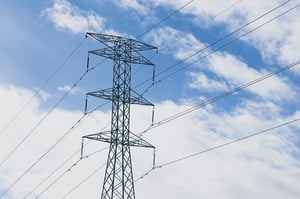
Solutions that strengthen your manufacturing and engineering operations
Develop a procurement strategy that balances price certainty with market flexibility, helping you manage energy costs while staying in control of your business.
Read More
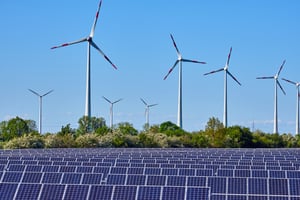
Integrate renewable electricity into your energy strategy through Green Energy, Guarantees of Origin or Corporate Power Purchase Agreements that support your sustainability ambitions.
Read MoreWhat others ask
Manufacturing businesses consume large amounts of electricity and gas, making energy a significant production cost. A structured procurement strategy spreads purchasing decisions over time, reducing exposure to market volatility while improving budget predictability and supporting long-term planning.
Renewable electricity can be integrated into your existing procurement strategy through Green Energy, Guarantees of Origin or Corporate Power Purchase Agreements. This helps reduce Scope 2 emissions while supporting customer requirements and sustainability objectives.
Yes. We support manufacturing businesses with procurement strategies that consider future electricity demand, available grid capacity, renewable generation and long-term investment plans.
Absolutely. Businesses with renewable generation or battery storage can use optimisation and flexibility services to improve the commercial value of these assets while supporting a more balanced electricity grid.
We work with medium and large industrial organisations across manufacturing, metalworking, mechanical engineering, industrial production and engineering. Every business operates differently, which is why every energy strategy is tailored to its production processes, operational requirements and long-term ambitions.
Take control of energy across your manufacturing and engineering operations
Every production environment is different. Together, we'll develop an energy strategy that supports operational continuity, industrial growth and long-term competitiveness.