


Our VPP that aggregates and optimises flexible energy assets.
Energy systems are becoming more volatile and grid capacity is limited. By using flexible assets like batteries, processes or renewables, you reduce costs and unlock new revenue.
Why energy flexibility is becoming essential
The energy system is becoming more dynamic. Renewable production fluctuates, electricity demand is changing and grid capacity is increasingly limited. For many organisations this creates both risk and opportunity.
By using flexible assets, such as batteries, production processes or renewable generation, companies can respond to market signals and grid needs. Energy flexibility helps reduce costs, manage congestion and create new revenue streams.
Find the right option for your goals
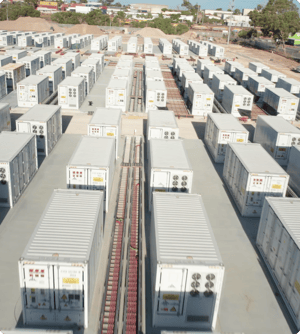
Using batteries to store electricity when supply is high or prices are low and deploy it when the grid or market values it most.
Explore energy storage
Temporarily reducing electricity production or feed-in to support grid stability and capture value from flexibility markets.
Learn about curtailment
Adjusting electricity consumption in response to market signals to reduce peak loads and unlock flexibility revenues.
Explore demand response
Long-term agreements connecting renewable producers and consumers while creating stable pricing and optimisation opportunities.
Learn about PPA's
Optimising renewable production and market participation to generate additional value beyond standard SDE++ subsidy returns.
Explore SDE OutperformerTalk to an expert
Get a clear understanding of your energy purchasing strategy, cost drivers and risks. Our specialists translate market complexity into practical advice, tailored to your organization and decision-making process.
Why companies choose us for flexibility
You gain access to balancing and flexibility markets that are normally difficult to enter individually.
Advanced algorithms continuously analyse market conditions and deploy assets at the right moment.
You work with one partner who connects your assets, the market and the grid.
Virtual Power Plant
Scholt Energy connects these assets to the relevant energy markets through its Virtual Power Plant (VPP). This allows producers to:
- Monetise flexibility instead of losing revenue
- Access markets that are otherwise unavailable to individual assets
- Reduce exposure to congestion-related restrictions
The result is a new layer of revenue on top of existing production income.
How to create revenue from flexibility?
When renewable assets actively support the grid, they create clear value for the energy system. This value is compensated through different energy markets. For solar, wind, and battery assets, flexibility can also be monetised by optimising feed-in timing and participating in market trading. Through our Virtual Power Plant, we aggregate flexible assets and manage all interactions with energy markets.
This includes forecasting market conditions, deciding when assets are activated, trading energy, handling settlement, and providing clear reporting, supported by powerful algorithms. Asset owners do not need to monitor the markets themselves or make operational decisions in real time.
“Flexibility is no longer optional in the energy system. The organisations that understand and
utilise their flexible capacity today will be the ones best positioned for tomorrow’s energy market.”
Discover our Virtual Power Plant
Through in-house developed algorithms, these assets are deployed during moments when the electricity system needs flexibility most. This allows asset owners to monetise their flexibility while contributing to grid stability and renewable integration.
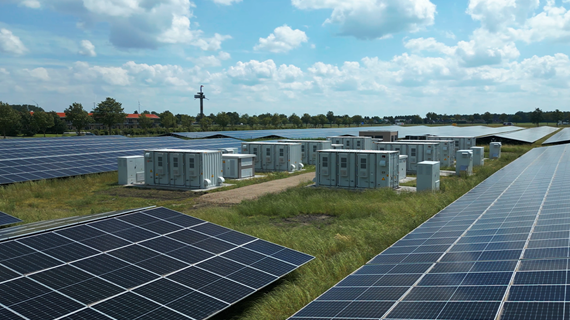
The VPP connects a wide range of distributed assets, such as batteries, renewable generation, industrial loads and storage systems, into one intelligent network. By combining many flexible assets into a single digital power plant, we help build a more resilient and adaptable energy system.
Is energy flexibility relevant for your organisation?
Energy flexibility is most relevant for organisations that:
- operate energy-intensive processes
- have batteries or energy storage
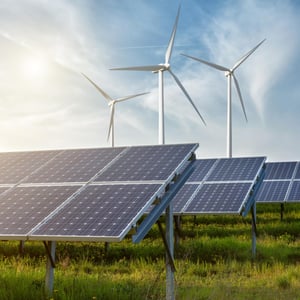
- own renewable energy generation such as solar or wind
- operate large charging infrastructure
- face grid congestion or capacity limitations
- want to optimise energy costs or revenue
In many cases, organisations already have flexibility potential that simply needs to be connected to the market.


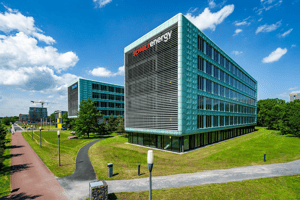
-Scholt-Energy.jpg?width=387&name=Europazentrale-(c)-Scholt-Energy.jpg)