


Our VPP that aggregates and optimises flexible energy assets.
Demand response
Turn flexible electricity use into a new revenue stream
Demand Response allows your organisation to temporarily adjust electricity consumption when the energy system requires flexibility. Instead of being a passive consumer, your controllable demand becomes a structured market asset.
We enable businesses to safely participate in flexibility markets, turning operational flexibility into measurable financial value, without compromising operational continuity.
Demand Response means temporarily adjusting electricity consumption when the grid requires flexibility. This adjustment can involve:
-
Reducing electricity usage for a short period
-
Shifting consumption to a later moment
-
Using operational buffers to absorb temporary changes
When structured correctly, controllable demand becomes a valuable flexibility resource for the electricity system.
What is a cPPA?
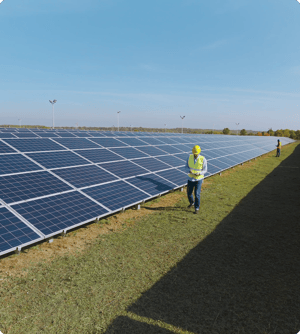
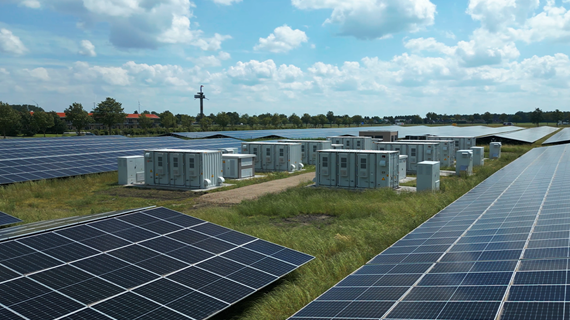
A Corporate Power Purchase Agreement (cPPA) is a long-term energy contract that connects renewable electricity production directly to corporate consumption.Electricity generated by a renewable installation — such as a solar or wind park — is delivered “as produced”. This means the consumer receives electricity following the actual generation profile of the asset.
This creates a clear commercial link between renewable generation and corporate energy demand, supported by transparent pricing agreements and clearly defined operational responsibilities.
How demand response works in practice
Demand Response is designed to fit around your operational priorities. Together with you, we identify which parts of your operations offer flexibility without affecting production continuity. When balancing markets or congestion programmes require activation, we send a signal to temporarily adjust consumption within the predefined limits. Operational boundaries are always respected. Activation never exceeds agreed flexibility ranges.
Typical flexible assets include:
Cooling systems in cold storage and logistics environments often contain thermal buffers. This allows compressors to temporarily reduce or shift electricity consumption during demand response events.
Industrial processes often include buffers such as storage tanks, intermediate products or staged production steps. These buffers allow equipment to temporarily reduce electricity use without disrupting overall production.
Smart HVAC systems in large buildings can briefly reduce electricity consumption during demand response events. Because indoor temperatures change gradually, small adjustments to cooling or ventilation have minimal impact on comfort.
Why demand response benefits your organisation

Demand Response transforms operational flexibility into structured market participation.
For many organisations, this can lead to several financial advantages:
-
Compensation for making flexible capacity available
-
Revenue from balancing market participation
-
Reduced peak-related network costs
-
Lower imbalance exposure
Instead of only consuming electricity, your organisation can actively participate in the energy market and generate value from operational flexibility, while core operations remain unaffected.
Why demand response strengthens the energy system
Electricity systems increasingly rely on flexibility to maintain stability as renewable energy grows. Reducing demand during scarcity moments is often faster and cleaner than activating fossil-based backup generation. Demand response therefore plays an important role in improving system resilience.
By temporarily lowering consumption during critical moments, participating organisations help:
When demand peaks locally, grid capacity can become constrained. Demand response reduces consumption at these moments, easing pressure on the grid and maintaining reliability without costly expansion.
Electricity supply and demand must stay balanced at all times. Demand response stabilises the system by adjusting consumption during imbalances, supporting grid stability and preventing disruptions.
Renewable sources like wind and solar are variable by nature. Demand response aligns consumption with generation, enabling more renewable use and reducing reliance on fossil backup power.
Is demand response relevant for your operation?
Demand response works best for organisations with controllable electricity loads or operational buffers.
Typical sectors include:
- Cold storage facilities
- Large-scale industrial production sites
- Logistics and distribution centres
- Large commercial real-estate with HVAC loads
These environments often combine significant electricity demand with the operational flexibility needed to participate in flexibility markets.


-Scholt-Energy.jpg?width=387&name=Europazentrale-(c)-Scholt-Energy.jpg)