




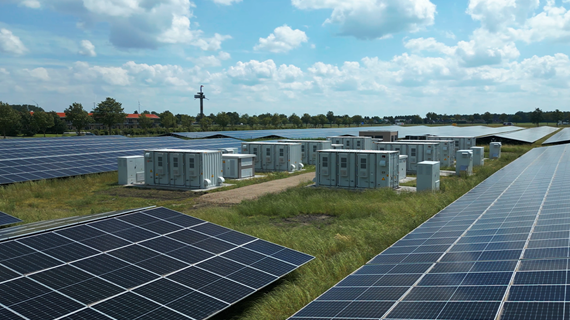
Our VPP that aggregates and optimises flexible energy assets.
-Scholt-Energy.jpg?width=387&name=Europazentrale-(c)-Scholt-Energy.jpg)


.jpeg?width=300&name=Eurus%20Farmsum%20(10).jpeg)
What is a cPPA?
A Corporate Power Purchase Agreement (cPPA) is a long-term energy contract that connects renewable electricity production directly to corporate consumption.Electricity generated by a renewable installation — such as a solar or wind park — is delivered “as produced”. This means the consumer receives electricity following the actual generation profile of the asset.
This creates a clear commercial link between renewable generation and corporate energy demand, supported by transparent pricing agreements and clearly defined operational responsibilities.
/CPPA%20agreement-1.png?width=300&name=CPPA%20agreement-1.png)
Market access
How energy storage participates in flexibility markets
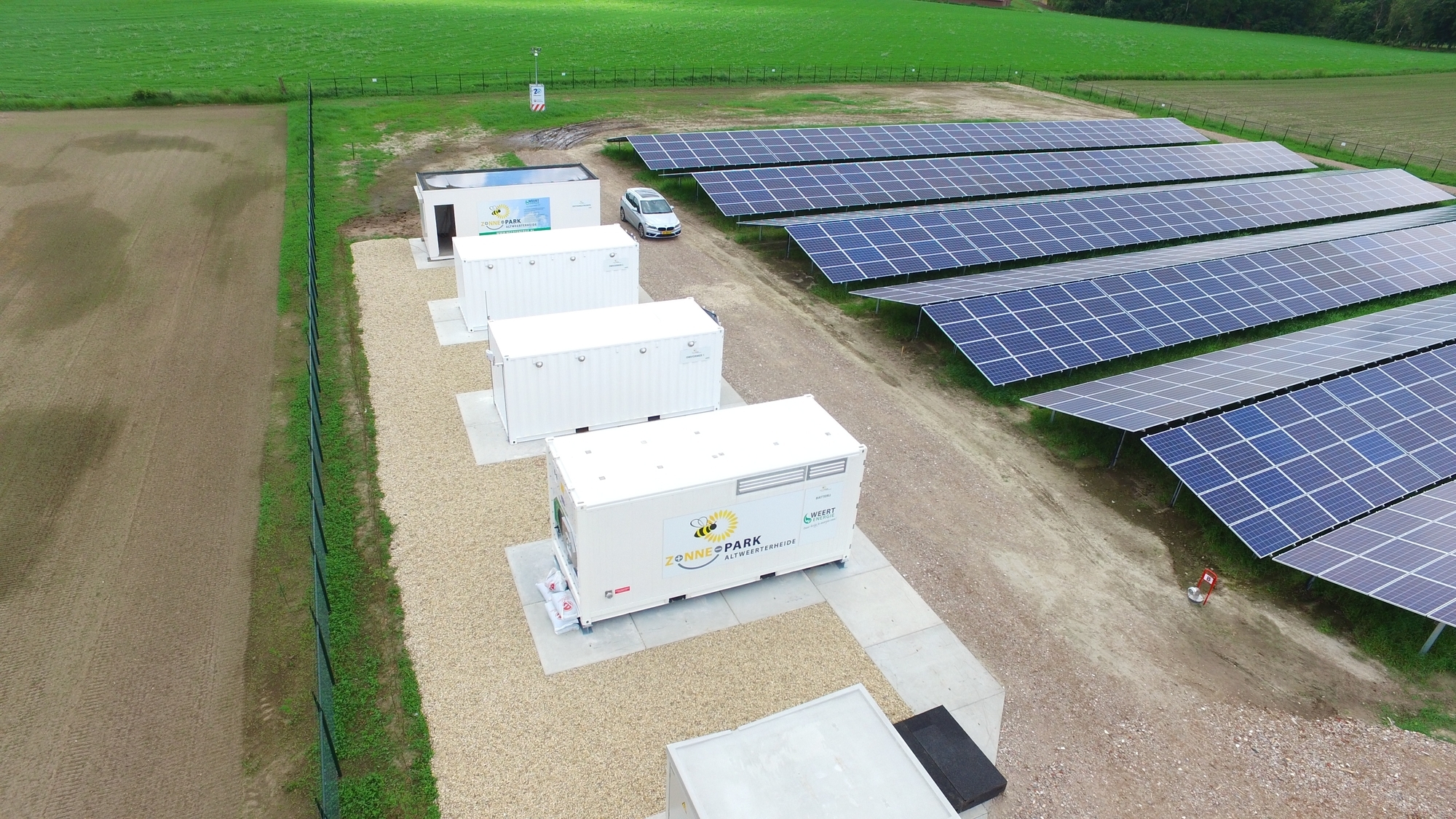
Transparency is central to the operational model. Battery owners have clear insight into:
-
Which markets the battery participates in
-
When activation occurs
-
How revenues are generated
Revenue from market participation is shared between us and the battery owner through a profit-sharing model. This aligns incentives and ensures optimisation decisions focus on maximising overall value.
Depending on the configuration, some setups may resemble a supply agreement with a predefined fee per MWh.

/Scholt_Waterman-10-1.jpg?width=300&name=Scholt_Waterman-10-1.jpg)
"The battery, combined with our own solar and wind output has helped us be self-sufficient in our ever increasing energy needs."
Erik Waterman
Waterman Onions
Generate revenue
How energy storage generates revenue and protects against price volatility
Energy storage allows battery capacity to be deployed in short-term electricity markets where price spreads and system imbalances create opportunities.
Through smart optimisation and real-time trading, batteries can generate additional revenue while improving the overall energy position of the asset owner. Energy storage can contribute to:
-
Protection against prolonged negative price periods
-
Reduced imbalance exposure
-
Improved integration of on-site renewable production
-
Additional revenue streams from flexibility markets
Instead of passively absorbing market volatility, the battery becomes an active flexibility asset.
-1.jpg?width=2000&height=1125&name=Eurus%20Farmsum%20(1)-1.jpg)